



In today's digital world, the greatest risk for businesses is system downtime. Even a few minutes of interruption can result in significant financial losses, operational disruptions, and reputational damage. For this reason, modern organizations need infrastructure that does not simply operate; it must also remain available and resilient under all circumstances. Disaster recovery and business continuity are the two most critical components addressing this need.
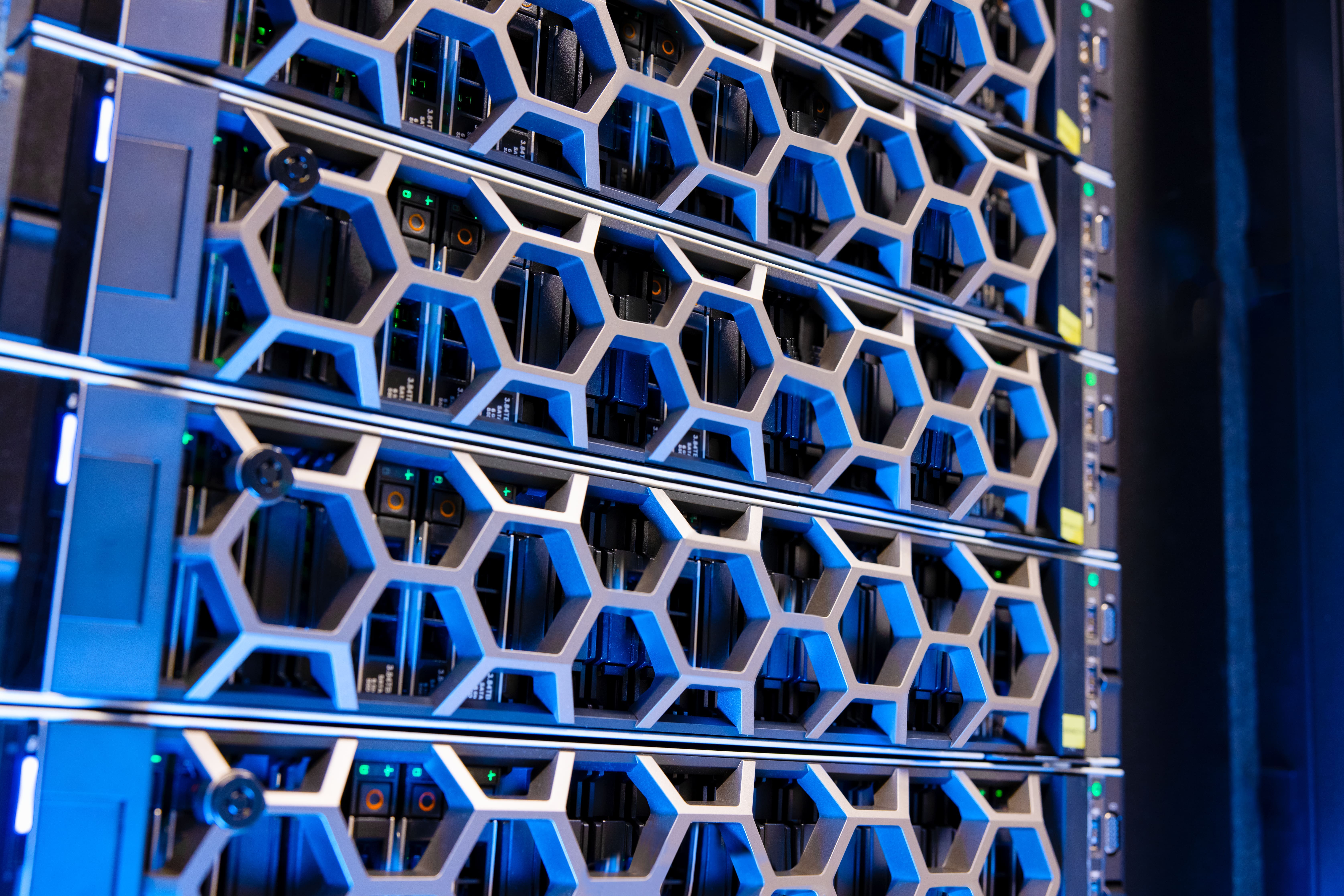
Disaster recovery is a strategic approach designed to restore systems as quickly as possible following unexpected events. Hardware failures, cyberattacks, natural disasters, or human errors can all cause systems to become unavailable. Organizations that are unprepared for such scenarios may face data loss and prolonged service interruptions. A well-designed disaster recovery infrastructure, however, enables secure data backup and rapid system restoration, ensuring business operations can resume with minimal disruption.
Business continuity represents a broader approach to maintaining operational resilience. The goal is not only to recover systems after a disruption but also to ensure that critical operations continue without interruption. This approach includes supporting essential business processes with alternative scenarios and maintaining live replicas of systems across different locations. As a result, when a problem occurs, user experiences remain uninterrupted and business operations continue seamlessly in the background.
Today, cloud technologies have made these capabilities more powerful and accessible than ever. Advanced infrastructures such as Gcloud enable data to be stored simultaneously across multiple data centers while keeping systems continuously synchronized. In the event of an outage, traffic can be automatically redirected to backup systems, allowing users to continue receiving services without noticing the transition. This approach does not simply eliminate downtime—it makes disruptions invisible.
Artificial intelligence integration takes disaster recovery and business continuity to the next level. Intelligent algorithms that continuously analyze system behavior can identify potential risks in advance and enable proactive responses. This allows organizations to prevent issues before they occur, continuously optimize infrastructure, and achieve the highest levels of business continuity. Systems are no longer just restored after failures; they are evolving into self-protecting environments.
Disaster recovery and business continuity are not merely technical investments; they are strategic necessities. Especially in data-intensive industries, the ability to provide uninterrupted services creates a significant competitive advantage. Businesses with strong infrastructure can maintain operations even during critical events, while organizations without adequate preparation may experience substantial losses.
In conclusion, success in the modern business world is not defined only by growth, but by sustainable growth. This can only be achieved through secure, intelligent, and continuously available systems. Disaster recovery and business continuity form the foundation of this approach. With its advanced infrastructure capabilities, Gcloud provides organizations not only with an additional layer of protection but also with a foundation for an uninterrupted future.