





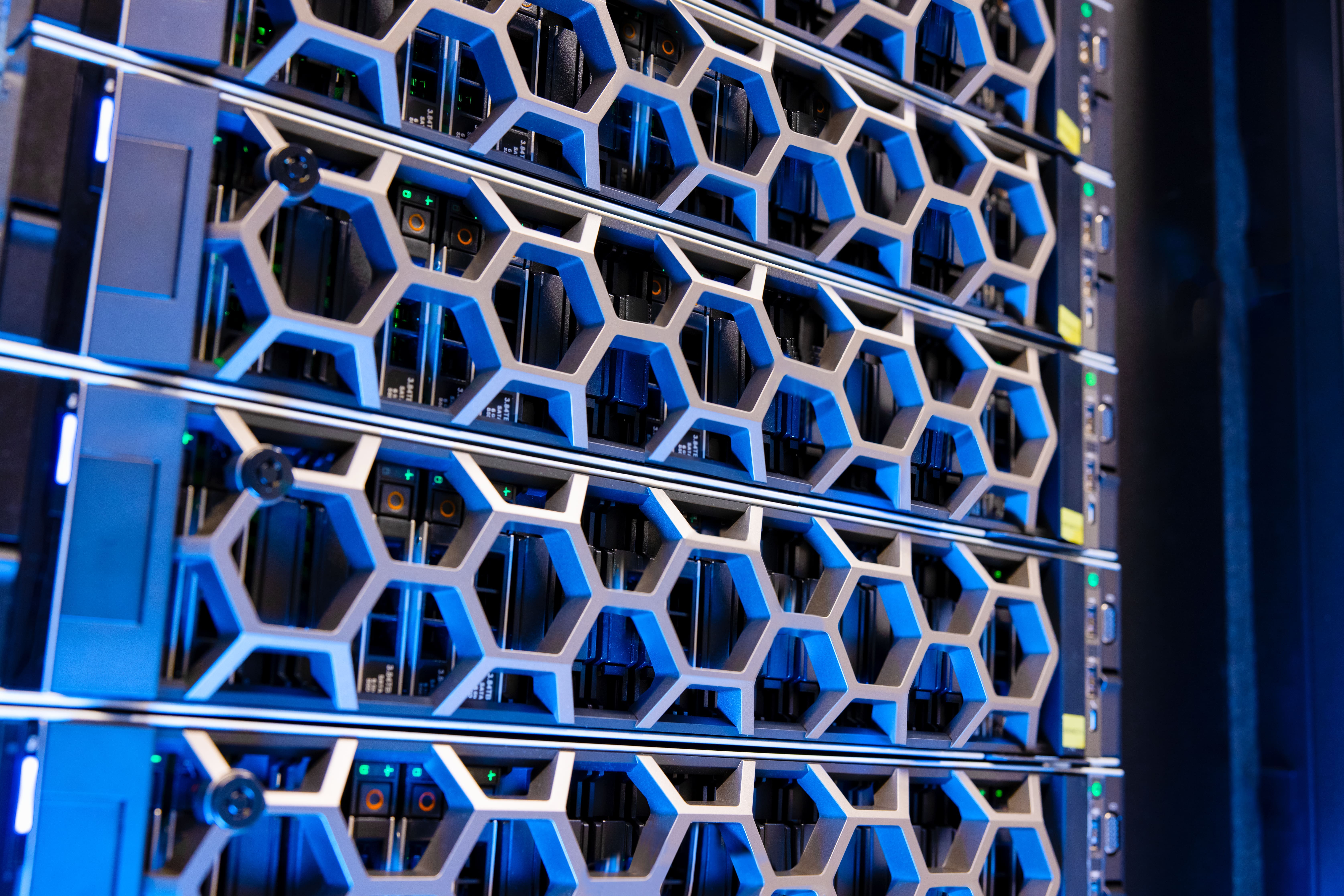
In today's digital world, speed, flexibility, and scalability are no longer optional—they are essential. As applications become increasingly complex, managing them has become equally challenging. This is where Kubernetes stands out as a critical technology at the core of modern infrastructure. Gcloud positions Kubernetes not merely as a container orchestration platform, but as a fundamental building block of intelligent, manageable, and future-ready infrastructure.
Kubernetes is a powerful platform that automates the deployment, scaling, and management of containerized applications. However, implementing Kubernetes independently is not always straightforward. Installation, administration, monitoring, and optimization require significant expertise and ongoing operational effort. Gcloud eliminates this complexity by transforming Kubernetes into an accessible, manageable, and sustainable platform for organizations of all sizes.
Within the Gcloud infrastructure, Kubernetes is more than a platform for running applications—it becomes the engine that optimizes operational processes. Applications gain instant access to the resources they require, while the platform automatically balances workloads and continuously monitors performance. As a result, applications remain highly available, and users benefit from a seamless, high-performance experience.
The integration of artificial intelligence further enhances Kubernetes' capabilities. Gcloud analyzes system behavior to optimize resource utilization, predict traffic patterns, and automatically scale workloads whenever necessary. This not only improves application performance but also reduces unnecessary resource consumption, leading to greater cost efficiency. Infrastructure evolves from simply running workloads to learning from operational data and continuously improving itself.
Security is another area where Kubernetes and Gcloud create significant value together. Applications built on a microservices architecture benefit from greater isolation, improving their overall security posture. Gcloud strengthens this foundation with advanced security capabilities that continuously analyze network traffic, detect anomalies, and automatically respond to potential threats. The result is an infrastructure that is not only powerful but also resilient against evolving cybersecurity risks.
When combined with a Türkiye-based data center infrastructure, Gcloud offers organizations the best of both worlds: globally recognized technology and local trust. Compliance with local regulations, low-latency connectivity, and uninterrupted service availability provide significant advantages, particularly for businesses operating mission-critical workloads. Powered by Kubernetes, this infrastructure accelerates digital transformation while substantially reducing operational complexity.
In conclusion, Kubernetes has become the foundation of modern application management. Gcloud enhances this technology by making it simpler, smarter, and more accessible for organizations. Together, they provide more than just an infrastructure platform—they deliver a scalable, resilient, and future-ready digital foundation. Modern infrastructure is no longer designed simply to operate; it is designed to evolve, scale, and drive innovation. Gcloud and Kubernetes are among the key technologies enabling this transformation.